


Most landlords in the UK want to experience seamless, stress-free transitions between tenancies, and presenting immaculate properties is crucial. With cleaning problems as the top reason for deposit deductions, it’s understandable why both landlords and tenants feel so pressured about the end-of-tenancy cleaning. For landlords, unclear or unrealistic cleaning expectations can cause disputes, affect tenant relationships, and result in lost income. Clarity is vital, whether you manage a single or several properties. This guide covers everything landlords need to know about setting fair, enforceable standards. From practical tools to expert tips, this guide helps landlords protect their properties, comply with regulations and, more importantly, keep tenants happy. Ready to clean up your cleaning process?
Key takeaways
- Know the legal boundaries of cleaning requirements--The Tenant Fees Act 2019 prohibits landlords from requiring professional cleaning services.
- Document everything with detailed inventories—landlords must use detailed check-in and check-out inventories, timestamped photos, and digital tools.
- Set clear expectations from the beginning—Landlords should offer cleaning checklists at move-in and include clear cleaning clauses in the lease agreements.
- Conduct mid-tenancy inspections—These help detect cleanliness problems early on, and landlords should provide tenants with feedback and recommendations on cleaning.
- Customise standards for different property types—Expectations should be adjusted to each property type: furnished, unfurnished, period properties, pet-friendly, student housing, and properties in hard water areas.
- Make fair, consistent, and documented deductions—Landlords must use itemised cleaning costs, receipts, photos, and inventory reports and only charge for necessary cleaning.
- Maintain professional communication throughout the process—Landlords should send pre-move-out reminders with checklists, stay objective and fair, acknowledge tenants’ cleaning efforts, and use digital platforms.
You have legal rights and limits—do you know them?
One of the most important legal aspects to know as a landlord is the Tenant Fee Act 2019, which forbids you from mandating professional cleaning at the end of tenancy. This doesn’t mean you cannot expect the property to be returned to clean professional standards.
Briefly put:
- You cannot include a clause asking tenants to hire a professional cleaning company
- You can ask the property to be cleaned to a professional-grade standard
- Ensure the cleaning clauses reflect the standard, not the method.
Fair wear and tear isn’t poor hygiene!
Many disputes between tenants and landlords happen because they don’t understand the difference between fair wear and tear and uncleanliness or neglect.
Fair wear and tear refers to the natural deterioration of a property because of everyday use. Examples would be:
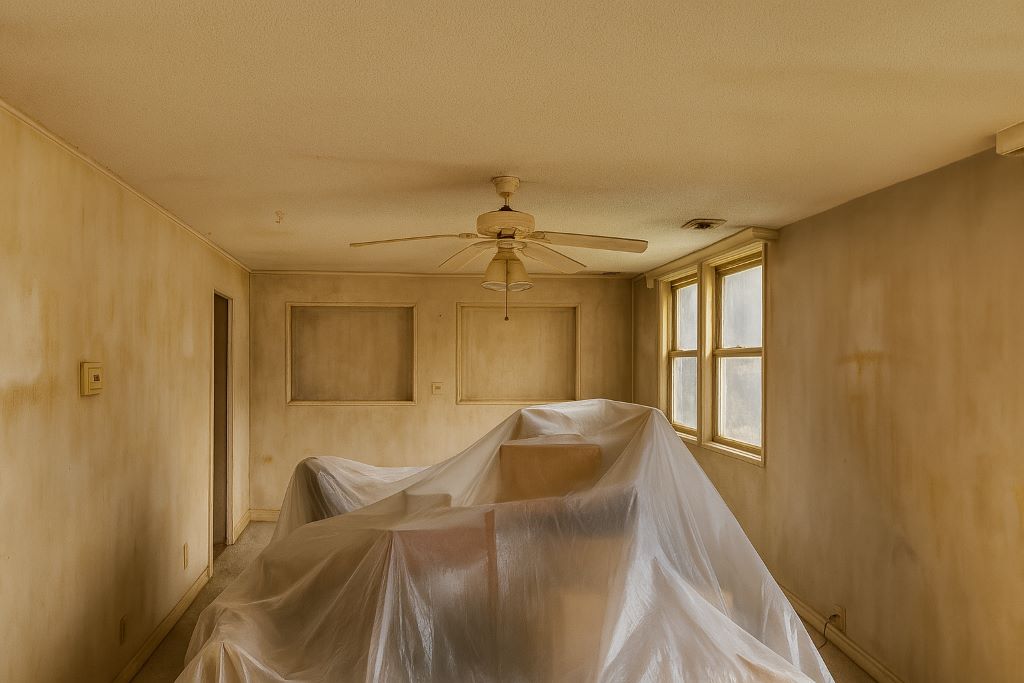
- Faded paint from sunlight
- Slightly worn carpets from foot traffic
- Small nail holes from picture frames
These signs are expected and legally protected; you cannot charge your renters because of them.
Poor hygiene of neglect refers to avoidable damage or skipping basic upkeep, such as:
- Limescale build-up in bathrooms
- Dirty appliances and greasy ovens
- Stained carpets
Since such issues don’t fall within the wear and tear category, they can justify deposit deductions, as long as they are adequately documented.
Extra tip!
Make photographic inventories at move-in and move-out to distinguish between fair wear and tear and signs of neglect.
Learn about deposit schemes.
As a landlord, you must protect tenants’ deposits in one of the government-approved tenancy deposit schemes in the UK: DPS, TDS, or MyDeposits. If you want to deduct from tenants’ deposits, you have to justify it with clear, documented evidence.
Here’s what’s considered strong evidence:
- Check-in and check-out inventories with time-stamped photos
- Detailed cleaning invoices or receipts
- Before-and-after photos presenting the exact condition
- Signed tenant agreements that include cleaning standards
- Independent reports from inventory clerks or cleaners
If you don’t have such solid evidence, the deposit scheme will favour the tenant, even if they have left the property dirty.
Legally unenforceable clauses in the tenancy agreement
Including cleaning clauses in the tenancy agreement is smart but must be legally compliant. Some terms may sound fair to you, but they may be unenforceable under UK law. Some of the most common problematic clauses are:
- “Tenants must hire professional cleaners at the end of the lease”.
The Tenant Fees Act 2019 forbids this sort of requirement. As a landlord, you may ask the property to be left clean to a professional standard, but you’re forbidden from demanding a professional service.
- “Tenants must leave the property in better condition than they received it.”
This is both unreasonable and unenforceable. Tenants must return the property in comparable condition, minus fair wear and tear.
- “Landlords can decide cleaning charges without dispute”
Tenants have the right to challenge deductions and reach out to deposit dispute resolution services.
How should you communicate the cleaning requests?
- Use wording such as: “The tenant must leave the property clean and hygienic to a professional standard, minus fair wear and tear”.
- Reference cleaning checklists and inventories.
- Don’t use vague statements and be specific to ensure enforceability.
If the clause is poorly written, your case will be weak during a dispute. Carefully revise the agreement or contact the pros for legal advice.
Setting the standards right from the start—agreements, inventories & inspections
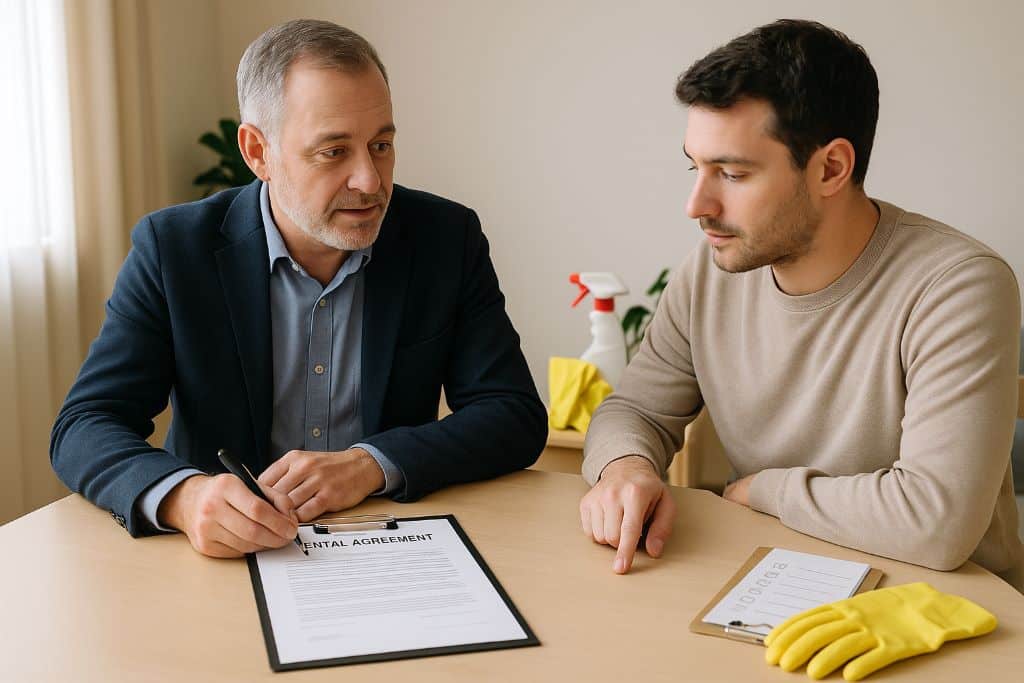
Add clear cleaning expectations to the tenancy agreements
If your tenants know right from the start what you expect regarding cleanliness, you avoid misunderstandings. Include a well-worded clause in the tenancy agreement to highlight the tenant’s responsibility to maintain the place clean and return it in good condition.
We recommend you include:
- a requirement to leave the property clean to professional standards, minus fair wear and tear
- a reference to the move-in inventory as a baseline state
- explanations on cleaning expectations for various areas, such as bathrooms, kitchen appliances, and carpets.
Example clause:
“The tenant agrees to keep the property clean and hygienic and leave it at the end of the lease in a state matching the inventory, cleaned to professional standard, apart from fair wear and tear”.
Use a detailed, photographic inventory at check-in
One of the most effective tools that you might have is a comprehensive inventory with photographs. You can use it to set standards and protect yourself in deposit disputes. The check-in inventory has several roles:
- It sets a precise reference point for the property’s condition at the beginning of the lease
- It offers evidence in case of claims, especially in case of cleaning-related disputes
- As it provides visual proof to support your position, the inventory will ease dispute resolutions.
The check-in inventory should include:
- room-by-room condition reports, including on cleanliness
- close-up photos of appliances, fixtures, flooring, walls, and signs of wear and tear
- timestamps and tenant sign-off to confirm they are on the same page with you.
Nowadays, you can streamline the process by using digital inventory apps. They also ensure consistency and safe record storage.
If you don’t have a detailed report, you won’t be able to justify cleaning charges at move-out. Don’t be surprised if the deposit schemes side with the tenant when they lack substantial evidence.
Hand your tenants a cleaning checklist at move-in
If you give your tenants a room-by-room cleaning checklist when moving in, you’re setting the standards, avoiding later disputes, and starting on good terms with your renters. You can communicate your cleaning expectations when they walk in the door and help tenants understand what “clean to professional standard” looks like. You also reduce ambiguity and ensure reasonable, transparent enforcement when they move out.
The move-in checklist should include:
- a breakdown by area: kitchen appliances, bathroom fittings, flooring, windows, etc.
- reminders about typically skipped areas, such as extractor fans, skirting boards, and limescale.
- Recommendations on the frequency of regular upkeep
We recommend you pair the checklist with the inventory and explain during handover. If the tenants know what you expect, there’s a high chance they will meet your standards. This is good for you and your tenant, as you both avoid stress, time, and losing money at the end of the lease.
- In 2024, UK renters lost around £724 million from their deposits due to cleaning-related deductions.
- The average amount deducted per tenancy was £250, with 29% of tenants facing deductions exceeding £500, and 16% experiencing deductions over £750.
Conduct and document mid-tenancy inspections
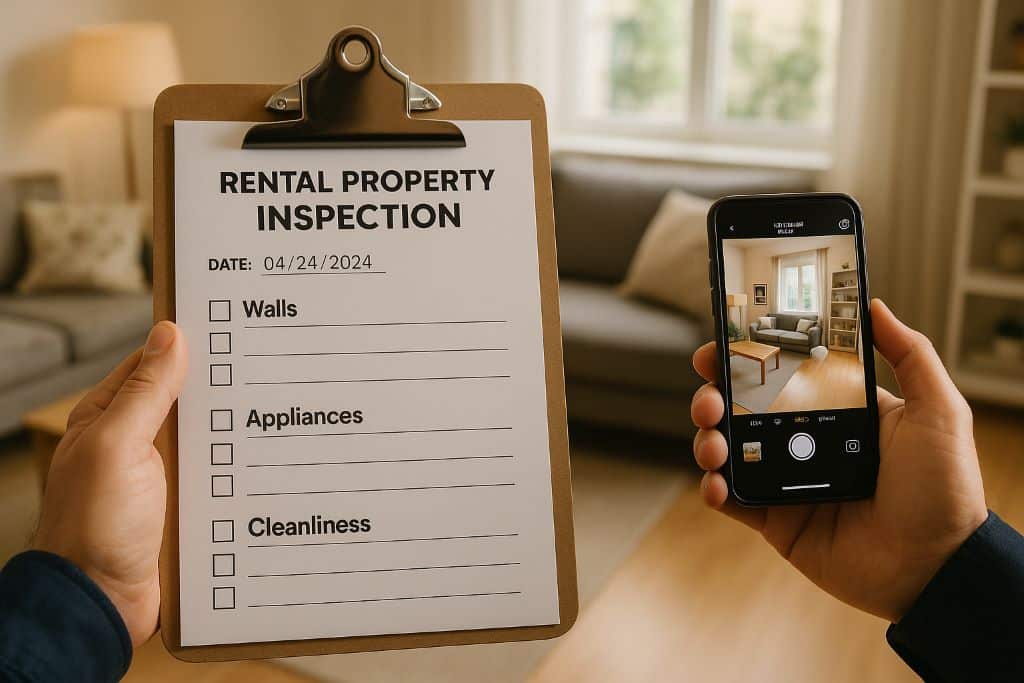
Mid-tenancy inspections aren’t limited to maintenance, as they can be an early warning method for any cleaning problems that could aggravate until the check-out. With a mid-tenancy inspection, you can detect hygiene or cleanliness concerns early and give tenants the necessary time to resolve the issues.
With a mid-tenancy inspection, you see how committed your renters are to property upkeep. Regular documentation will provide you with a timeline of the property’s condition—an invaluable source in case of disputes.
How to do mid-tenancy inspections:
- use a standardised checklist and take dated photographs
- plan at least one inspection halfway through longer tenancies (every 6-12 months)
- Use a polite tone and inform in writing of any problems. You can suggest how to remediate the tenants' problems.
Give your tenants proper notice (24-48 hours) and always send a written summary to encourage accountability and maintain an open, positive relationship with your tenants.
Track cleaning and maintenance notes with digital tools
Stay organised, consistent, and transparent in managing the property cleanliness with digital tools, especially if you manage several properties. This way, you can:
- Keep all records (photos, notes, dates) in one safe, easy-to-access place
- detect problems in time, such as neglected appliances or recurring limescale
- Ensure prompt response time and better communication with your renters.
Inventory apps (Inventory Base, Kaptur, etc) are excellent for photo-rich move-ins and move-outs, while property management platforms (Landlord Vision, Arthur, etc) help you log inspections, reminders, and messages. Use shared checklists or folders to collaborate easily with your tenants (Google Drive, Dropbox).
Consider digital records as they are effortless to share with tenants or deposit schemes—a vital step when you must justify any cleaning deductions or show evidence of neglect.
Room-by-room cleaning standards: what’s considered to be fair?
Set reasonable cleaning expectations for each room of your property:
Kitchen
- Appliances (inside & out):
Ovens, hobs, extractors, fridges, and microwaves should not present grease, burnt residue, food debris, or odours.
- Cupboards & drawers
They should be empty, wiped inside and out, with no stains, crumbs, or leftover food.
Empty, wiped inside and out, with no crumbs, stains, or leftover food.
- Worktops & splashbacks
They should be sanitised and streak-free, with no sticky marks, grease splatter, or water stains.
- Floors & tiles
Floors and tiles should be cleaned and mopped; skirting boards, areas behind bins, and appliances should also be cleaned.
Extra tip
Many people need visuals to understand what a “professionally clean” kitchen looks like. Provide your tenants with photos as a reference at move-in, setting a precise reference point and preventing disputes over misunderstandings later on.
Bathroom
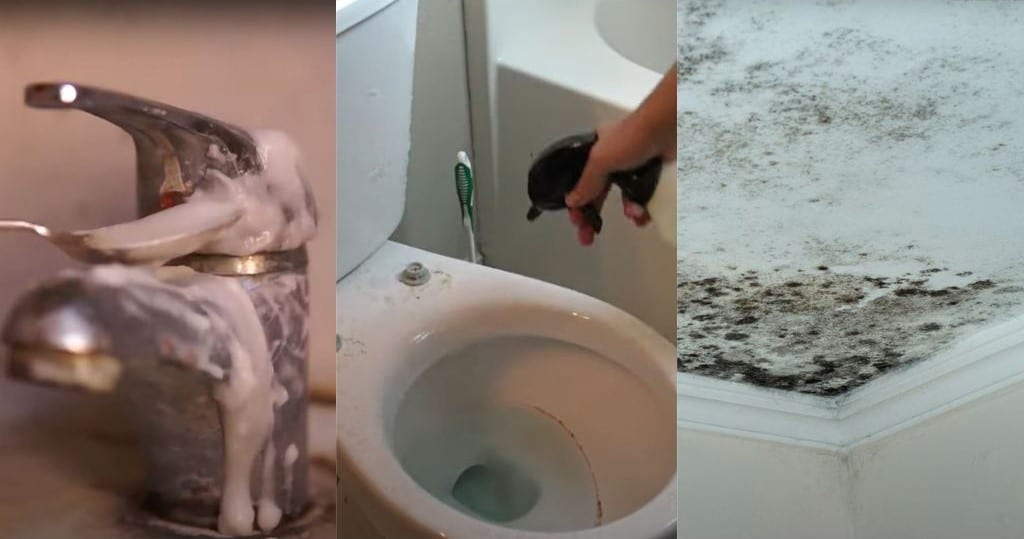
- Limescale removal
Taps, showerheads, and tiles should be descaled regularly. At the end of the lease, chrome and ceramic surfaces shouldn’t present any visible limescale.
- Mould prevention & removal
Grout, ceilings, and sealant shouldn’t have any mould. Unless you agree otherwise, tenants should ensure regular ventilation of the bathroom.
- Fixtures
Toilets, sinks, bathtubs, and shower trays should be sanitised and stain-free.
- Extractor fans & mirrors
Fans should be dust-free and functional; mirrors must be wiped down with no smears or watermarks.
Extra tip
You can use the check-in report to document pre-existing water damage or permanent discolouration so tenants won’t be wrongfully held accountable.
Living areas & bedrooms
- Carpets & floors
Carpets need thorough vacuuming and spot-cleaning if they present stains. If the property is furnished, the tenants should vacuum under furniture, and they have to sweep or mop the hardwood floors.
- Curtains & blinds
Curtains and blinds have to present no dust, stains, or odours. If possible, they should be vacuumed or lightly wiped down. If they are visibly soiled or covered in dust, curtains and blinds should be thoroughly washed.
- Walls & fixtures
Tenants must wipe down light switches, skirting boards, and window sills. If possible, marks on the walls have to be cleaned. Faded paint, minor scuffs, and other fair wear and tear signs don’t fall within the tenants’ accountability.
Extra tip
Avoid disputes because of repainting or carpet replacement by clearly stating the difference between cleaning responsibilities and wear-and-tear damage in the lease agreement.
Commonly missed areas
- Behind/under appliances
Tenants should vacuum or sweep behind and under appliances like fridges, cookers, or washing machines, where dirt and debris collect quickly. If they moved the appliance during the lease, tenants should also clean underneath.
- Skirting boards
Tenants should wipe clean the skirting boards and leave them without any visible buildup.
- Window tracks and sills
Mould, dead insects, and condensation residue collect on window tracks and sills. Using cloths or small brushes, tenants should clean them, especially if they live in damp or coastal areas.
Extra tip
Include clear photos of such areas in the check-in and check-out report. Clear “before and after” comparisons to easily justify the cleaning deductions.
Adjust the cleaning standards to your property type
Each property type has its own provocations, and you should customise the cleaning standards.
Furnished and unfurnished properties
Furnished properties
Furnished properties have more surfaces, so more cleaning is necessary. Tenants must dust, wipe, and carefully treat dining tables, upholstered furniture, bookshelves, bed frames and everything else. Based on the condition and level of use, curtains, cushions, and mattresses will require vacuuming or light cleaning. If you provide tenants with white goods, they should also clean them inside and out.
Unfurnished properties
Fewer items are in unfurnished properties, but the cleanliness standards remain high. There’s less to clean, but the basics—walls, floors, windows, and kitchen/bathroom fittings—should still be left in the same condition as at move-in (apart from fair wear and tear). There should be no excuse for neglect—tenants must manage dust, limescale, and scuffs even when there’s no furniture.
Extra tip!
Highlight the differences between the items you provided and the tenant-owned ones in the inventory to ensure clarity at move-out.
Period homes
When renting a period property, you must customise the cleaning expectations to the property's age, materials, and finishes. You should match your high standards with reality—everything deteriorates in time, irrespective of how much you care for it.
Delicate surfaces
Tenants should use special cleaning products to clean original wood flooring, cornicing, fireplaces, or bannisters. Aggressive scrubbing and harsh chemicals have to be avoided. For antique tiles and painted finishes, gentle cleaning should be performed, especially since they are prone to wear.
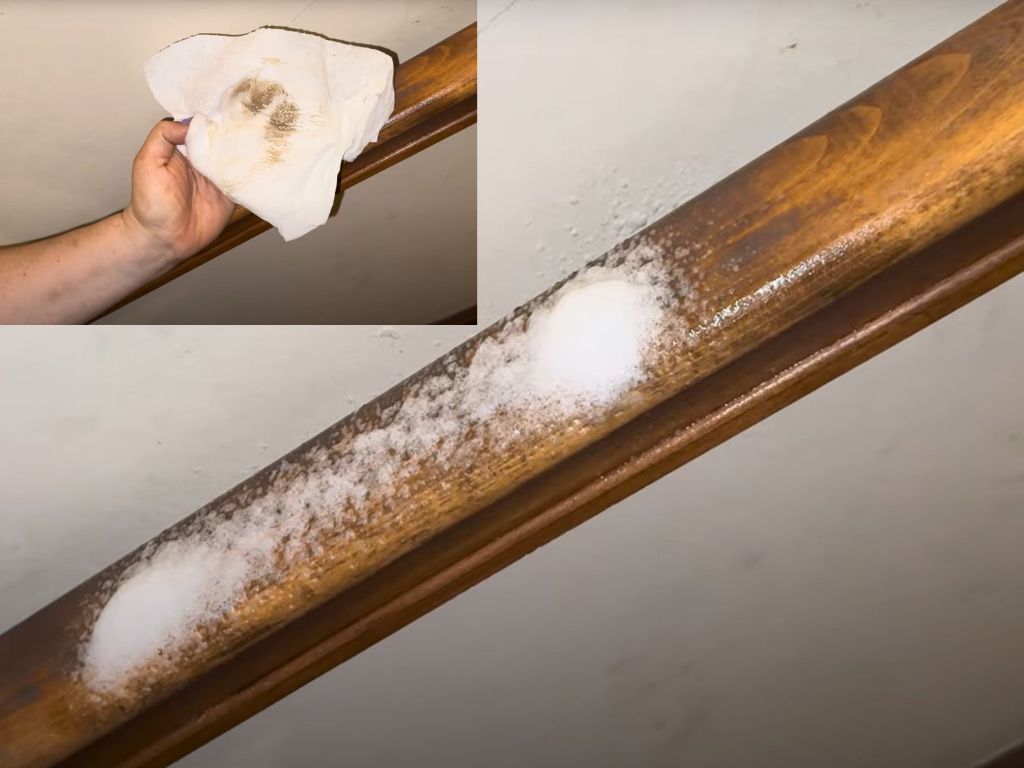
Expect your tenants to remove dust and grime from period features, without asking them to restore aged materials that display fair wear and tear in time. Highlight in the inventory which items are fragile or vintage, and offer to guide tenants on cleaning, if asked.
Extra tip
Include clear cleaning recommendations in the welcome pack for period features or finishes. You will prevent damage and disputes.
- In 2024, around 98% of tenancies concluded without dispute over deposit deductions.
- Based on data from the Deposit Protection Service (DPS), the most common reasons landlords cited for deposit deductions in 2024 were cleaning, 63% of cases. Property damage came in second, 53%.
Hard water areas
If your property is located in a complex water area like parts of London, the South East, or the Midlands, it’s only a matter of time until your tenants deal with limescale buildup. Set reasonable, yet firm cleaning expectations regarding challenging water-related cleaning problems.
Your tenants should remove visible limescale from taps, sinks, toilets, showerheads, and kitchen appliances. No white mineral deposits should be on glass shower screens and tiles at the check-out. Regular cleaning reduces the risk of buildup, so you should recommend it to your tenants.
Don’t expect your tenants to permanently reverse long-term scale damage on old fixtures. Also, disputes should be avoided because of mild traces on old fittings affected at the move-in.
Extra tip
Offer your tenants recommendations about using lime scale remover. Additionally, take clear photos to document pre-existing scale in the inventory—you show fairness and set clear expectations from day one.
Pet-friendly properties
If you allow pets in the rental property, your tenants will have extra responsibilities. To remove pet hair and dander, they should thoroughly vacuum carpets, upholstery, curtains, and hard floors. They also have to eliminate pet odours before inspections or move-in of new tenants—they can deodorise the property. If there are pet stains, professional treatment will be necessary.
Don’t expect your tenants to replace worn carpets—unless damage is beyond fair wear and tear. Allow your tenants to clean the carpets deeply to a professional standard before charging them for professional deep cleaning.
Extra tip
Include a pet clause in the lease agreement with clear expectations on cleanliness. You may avoid disputes and keep your property fresh and appealing with a pre-checkout reminder for pet-specific cleaning tasks.
Student housing
Student housing experiences heavier use, and tenants are less dedicated to cleaning. Provide a simple, room-to-room cleaning checklist at move-in and before move-out. You should prioritise key hygiene areas: kitchens, bathrooms, flooring, and bins. Supporting shared responsibility and highlighting who cleans what in communal areas is essential.
In student housing, expecting professional-level cleaning with no guidance or support is unrealistic. Vague instructions will confuse and missed tasks, so make sure you are specific when stating the cleaning expectations.
Extra tip
Schedule a mid-tenancy inspection and offer tenants visual examples of “acceptable” and “unacceptable” cleanliness. This way, your tenants will comprehend the cleaning standards they can achieve—you will all avoid end-of-tenancy disputes and pricey cleaning costs.
Good communication is key to reinforcing the standards.
Send pre-move-out reminders (with checklists)to your tenants to avoid disputes and have an immaculate property when tenants vacate. We recommend you send the first reminder 2-3 weeks before the end of the lease and then a final reminder a few days before checking out.
The reminder should include:
- A clear cleaning checklist customised to the property
- The original check-in inventory report for comparison
- Tips on commonly missed areas (e.g. extractor fans, window tracks)
- Info on recommended cleaning services, if applicable
Early reminders prevent last-minute pressure, help tenants meet your standards, and make a paper track record that prevents later disputes.
Communicate efficiently and transparently with your tenants and use digital platforms. Emails, apps, or a tenant portal work as a paper trail that shows where and when notices were sent. You may schedule automatic reminders, like cleaning checklists, 30 months before move-out. Collaborating with your tenants will be easier as they can respond, ask questions, or upload photos.
Arthur, OpenRent, and InventoryBase are property management systems that can be used as a landlord, and you can also use shared folders like Dropbox or Google Drive. Don’t forget about messaging apps with read receipts, like WhatsApp Business.
Support your tenants with recommended cleaning services whenever necessary. This helps them no longer stress about finding reliable cleaners and lowers the risk of subpar results that cause disputes. You want to show your tenants that you look for solutions, not for enforced decisions. Show your tenants a shortlist of dependable local cleaning companies (like Buzz Maids) and recommend what services to book (end-of-tenancy, deep clean, carpet cleaning, etc.). Tell your tenants about exclusive discounts or preferred rates that you benefit from.
Conduct a thorough, fair check-out inspection.
Compare check-in and check-out reports.
This is crucial for a reasonable, evidence-based decision. When assessing against a documented baseline, not memory, you ensure objectivity. By showing clear and after evidence, you lower the risk of disputes and meet the deposit protection schemes' standards for reasonable inspections.
To ease the comparison, you should use the same format and layout and match each room and item like-for-like (oven condition at move-in vs. move-out). You may complete the written notes with timestamped photographs. With a side-by-side approach, you ensure transparency and strengthen your position in case of deductions.
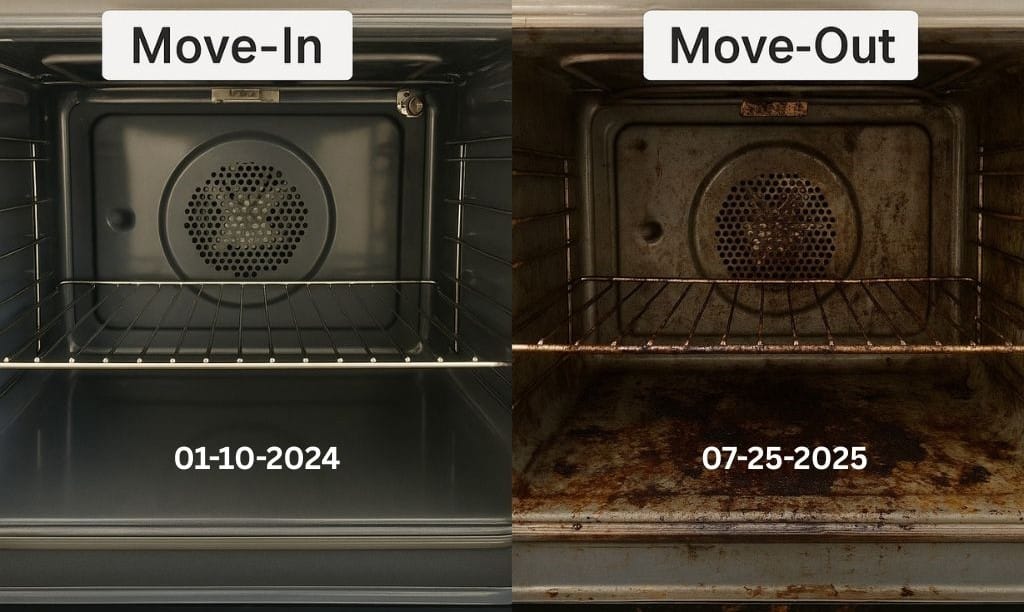
Take timestamped photos of problem areas.
Photos are the most powerful evidence for end-of-tenancy cleaning disputes as they objectively document the property’s condition. The photos offer invaluable proof when tenants contest a cleaning charge and are required by deposit protection schemes to justify your deductions.
Take clear, close-up shots of unclean or damaged areas and make sure all photos are timestamped. Most inventory apps and smartphones have this feature automatically, and you should take the photos from several angles for context. When you have visual proof, you avoid “your word vs. theirs” scenarios and strengthen your position.
Document everything
Assumptions can get very expensive, especially in terms of end-of-tenancy cleaning inspections. Even if something seems obvious—sticky floors or dusty skirting boards—don’t rely exclusively on your memory and opinion, but document it clearly and thoroughly. Deposit schemes will ask for evidence, not opinions. Plus, tenants accept deductions when supported by factual, visual evidence. Accurate and objective documentation will make the difference in legal disputes and steer you away from tribunal losses.
Back up your claims with checklists, annotated reports, and photos and be as specific as possible. Don’t write “dirty oven”, but “oven covered in burnt residue and grease”. Attaching photos is vital.
- A survey indicates that approximately 17% of UK private households employ professional cleaning services for regular cleaning.
- A survey by Häfele revealed that 62% of UK residents consider scrubbing the oven their least favourite kitchen task, ranking it above cleaning the hob (24%) and washing the floor (22%).
Use professional inventory clerks.
Hiring a professional inventory clerk will give you credibility and impartiality during check-in and check-out. Most of the time, deposit disputes are about your word against your tenant’s. A third-party clerk will provide an objective, unbiased inspection. Clerks have a keen eye for detail, take comprehensive notes, and know how to capture high-quality, timestamped photos.
Deposit protection schemes widely respect inspector clerks’ reports as dependable proof. With a professional assessment, you gain time and avoid tension with your tenants, making the check-out inspection more transparent.
Make justified and reasonable deductions.
Fairness and evidence are crucial if you decide to deduct from a tenant’s deposit. You should only charge for cleaning needed beyond fair wear and tear, like grime and stains, and not for age-related deterioration. If you have to clean just one area (the oven, for instance), you shouldn’t charge the tenant for a full deep clean.
Support your deposit deductions with market-rate estimates or receipts and highlight the difference in condition with check-in and check-out reports.
Something went wrong—how do you handle it?
When tenants don’t meet your cleanliness standards and you end up in a dispute, there are several ways to resolve the situation calmly:
Itemise cleaning costs
Clarity and evidence are vital when you deduct for cleaning from your tenant’s deposit. Always provide your tenants with a detailed breakdown of the spending and don’t just present the sum. Mention the cleaned area (“carpet shampooing in bedroom”, “oven deep clean”), the professional service you hired, and the price.
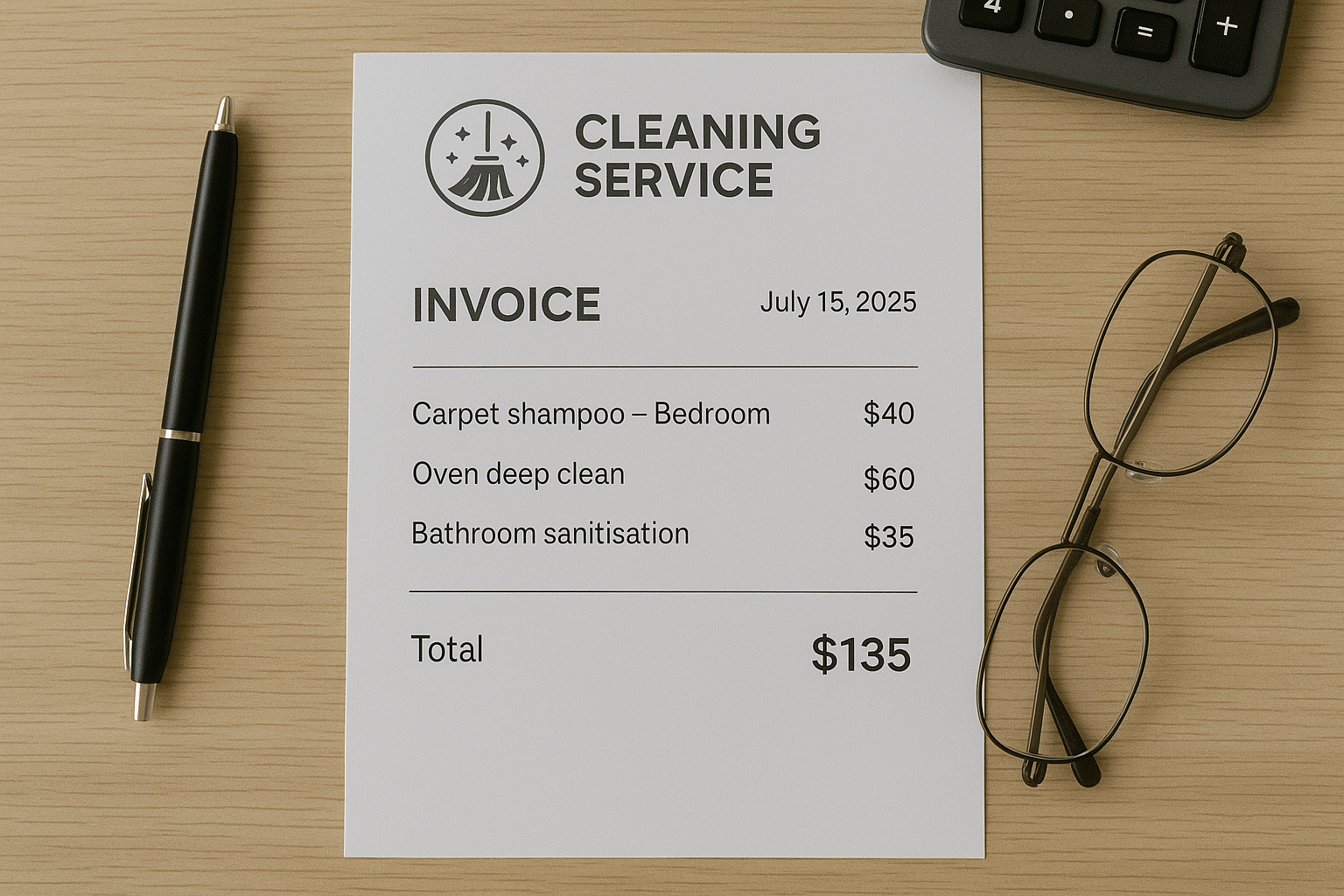
Justify your deductions with receipts or estimates from the cleaning companies to show transparency and improve your chances of upholding your claim by the deposit protection scheme. Most disputes are rejected because of vague or inflated charges.
Share all evidence with the tenant and the deposit scheme
When deposit deductions are challenged, transparency is vital, and you should provide evidence to the tenant and the deposit protection scheme. This evidence comprises: before-and-after photos, inventory check-in and check-out reports, cleaning invoices or quotes, and correspondence to show you communicated the expectations.
Deposit adjudicators are objective and rely exclusively on documentation, so present your case clearly and calmly. The more organised and factual your evidence is, the better your position and the higher the chances of upholding your deductions.
Remain objective and professional.
Disputes can be frustrating, and you should keep a level head. Have a professional and neutral approach and avoid assumptions about tenants’ intentions and emotional language. Always refer to documented evidence, sticking to what’s fair and proportionate. Keep a clear, respectful tone at all times.
Adjudicators will rule for landlords who acted reasonably, focusing on solutions. When you remain calm and objective, you become more trustworthy and streamline the resolution. You will protect your reputation and ensure better results, even though the tenancy didn’t end up as planned.
Learn from each outcome.
No matter how the dispute ends—win or lose—you should use it as a chance to improve your renting process. After the deposit dispute is resolved, you should go over the adjudicator’s decision to understand it, regardless of whether it was accepted or rejected. See if you missed something in the documentation—were your inventories comprehensive and detailed? Did you forget about some photographic evidence?
Analyse whether you have communicated the cleaning standards and if they were reasonable for your renters. If necessary, update your tenancy agreements, checklists, or communication templates. To align on best practices, you may consider professional training, having feedback sessions with clerks or agents, or letting them know.
Fairness is vital for trust.
As a dependable landlord, you want to keep standards high and stay reasonable at the same time. This means:
Be consistent across properties
Consistency is vital for fairness, and you should have the same cleaning standards across all your properties, irrespective of the location, property type, or tenant type. This way, you avoid claims of unreasonable treatment or discrimination, create a professional reputation amongst tenants, agents, and deposit schemes, and streamline processes using standardised templates, checklists, and workflows.
Enforcement will be easier in disputes if your practices are reasonable and consistent. Even though you will adjust the standards to the property’s type and features, you should have a consistent expectation baseline.
Avoid “gold-plating” requirements.
“Gold-plating” is when you set cleaning standards that exceed what’s fair, needed, or legally enforceable. For instance, you shouldn’t ask for an unrealistic cleanliness level or professional services if they’re not necessary.
Such “gold-plating” requirements can backfire legally, as deposit schemes and tribunals typically reject unfair and excessive deductions. When tenants feel unfairly penalised, the risk of disputes and negative reviews increases significantly. The “gold-plating” standards also create extra admin, as you need more time and resources to handle complaints or appeals.
Always have reasonable, clearly defined standards—you want clean, not clinical—that match the typical use of the property.
Recognise tenants’ efforts.
Acknowledging tenants’ efforts for cleaning at the end of the lease is more than good manners—it shows innovative property management. It only takes a “thanks for leaving the property presentable” to keep a positive relationship and repeat business. Tenants who feel appreciated will more likely follow recommendations and take care of the property. Even if the results fall short in some areas, you can diffuse the tension in a dispute when you recognise tenants' efforts.
- According to research by Oliver's Kitchen, 68% of Brits admitted they haven't deep-cleaned their oven in the past year.
- Experts recommend cleaning your oven professionally every 6 to 12 months, depending on usage.
Fair systems create long-term trust.
Fair, transparent cleaning standards are a long-term investment in your rental business. When they feel respected and treated clearly, tenants stay longer and are less likely to move out. Reputation matters, especially with forums, reviews, and word-of-mouth playing. When you have fewer disputes, you have lower admin spending as fair systems alleviate stress, streamline the rental process, and save you time. Lastly, clear expectations make tenants take good care of the property throughout the entire tenancy, not just at the end.
End note
Clear, reasonable cleaning standards protect your property, reputation, and peace of mind. From the moment your new tenant walks through the door, set legal, realistic expectations and back them with detailed inventories, mid-tenancy check-ins, and room-by-room cleaning guides. Remember to support your tenants—you all want the rental process to end on a calm, dispute-free note. Don’t be strict, firm, and fair—it’s vital for success.
RESOURCES
- https://evo-pm.com/insights/end-of-tenancy-cleaning-laws-uk-a-guide-for-housing-associations/
- https://homelet.co.uk/tenants/tips-for-tenants/end-of-tenancy-clean-what-you-need-to-know
- https://www.totallandlordinsurance.co.uk/knowledge-centre/end-of-tenancy-cleaning-and-inventory-checklist
- https://www.tenancydepositscheme.com/asktds-do-i-need-to-professionally-clean-the-property-at-the-end-of-the-tenancy/
- https://www.doolittle-dalley.co.uk/articles/end-of-tenancy-cleaning-what-landlords-and-tenants-need-to-know-to-avoid-disputes
- https://england.shelter.org.uk/housing_advice/private_renting/what_to_look_for_in_your_tenancy_agreement/tenant_responsibilities
- https://gosuperscript.com/news-and-resources/end-of-tenancy-cleaning-guide-for-landlords/
- https://www.fastklean.co.uk/blog/end-of-tenancy-cleaning/end-of-tenancy-cleaning-what-landlords-tenants-need-to-know/