


Ultimate Kitchen Deep Cleaning Guide: Professional Techniques for Spotless Results

Your kitchen should be the cleanest room in the house—but grease, limescale and hidden bacteria make it difficult to achieve. Our guide helps you understand how professionals will bring ovens, worktops, and floors to a food-safe, sparkling condition. You will learn what a deep kitchen cleaning truly means, when you should call in the pros, and how to enjoy the cleaning results for the longest time. Whether you’re preparing to vacate your rental, deal with a post-renovation mess, or want to refresh your home after the long winter, start by reading our comprehensive guide on kitchen cleaning.
Key takeaways
- Professional deep cleaning addresses hidden health risks- Professional deep cleaning eliminates bacteria, mould, and allergens in areas where regular cleaning is missing—inside extractor gans, behind appliances, and in grout lines.
- Timing professional cleaning maximises value--Call professionals for biannual deep cleans, post-renovation cleanup, end-of-tenancy requirements, or when dealing with persistent odours and stains.
- Appliance deep cleaning requires specialised techniques--Ovens need dismantling and commercial-grade degreasers, fridges require sanitisation protocols, and extractor fans need professional degreasing to prevent fire hazards.
- Surface restoration can make worktops look new--Professional cleaning restores tile grout, repairs worktop damage, and eliminates limescale from sinks using material-specific techniques, specialised fillers, and protective sealers.
- End-of-tenancy standards demand professional results--Landlords and letting agents expect kitchens returned to move-in condition, including deep-cleaned appliances, descaled fixtures, and spotless surfaces. Professional cleaning ensures deposit return by meeting these stringent requirements.
- Daily maintenance preserves professional results--After professional deep cleaning, preserve results through daily surface wiping, immediate spill cleanup, regular appliance maintenance, and efficient ventilation. Schedule professional deep cleans every 6-12 months based on kitchen usage frequency.
Why is professional kitchen deep cleaning essential in UK homes?
Professional kitchen deep cleaning is essential in UK homes because it eliminates grease, bacteria, and mould, meets hygiene and tenancy standards, and protects your family’s health.
How does deep cleaning protect your family’s health and safety?
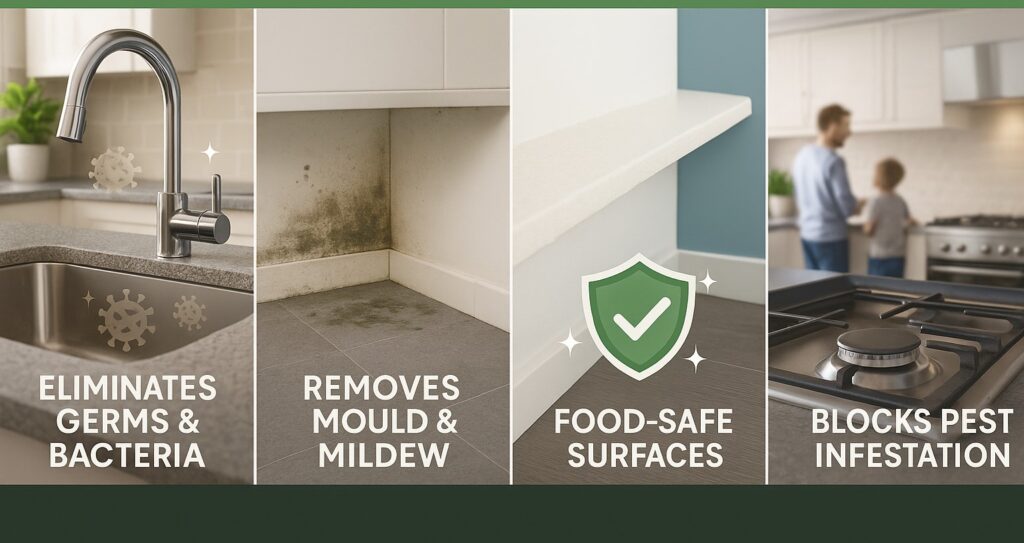
Deep cleaning protects your family’s health and safety by eliminating allergens, bacteria, and contaminants. A deep clean will:
Eliminate bacteria and germs
Deep cleaning addresses hidden germs on worktops, sinks, and appliances, and lowers the risk of foodborne illnesses caused by bacteria such as Salmonella and E. coli.
Remove mould and mildew.
Damp areas like behind appliances and under sinks may develop mould and mildew. Deep cleaning will eliminate the fungi, which can trigger respiratory issues and allergies.
prevent allergen build-up
dust, food particles, and grease can collect in difficult-to-reach areas, attracting pests and aggravating allergies. Professional deep cleaning will eliminate allergens and create a healthy kitchen.
Keep surfaces food-safe
Proper sanitation of appliances like ovens, refrigerators, or worktops will maintain hygiene standards –essential for safe food preparation.
Prevent pest infestation
Deep cleaning eliminates food residues and grease that attracts insects and rodents, lowering the risk of infestations, which can contaminate food and spread disease.
When should you call professional kitchen cleaners instead of DIY?
You should call professional kitchen cleaners instead of DIY whenever grease, mould, or limescale become too difficult to remove, when appliances or extractor fans require dismantling for a proper clean, or when you’re preparing for a move-out inspection, post-renovation clean-up, hosting guests, or anything similar.
Call in the pros for:
Seasonal or biannual deep cleaning
Call in the pros every six months to tackle deposited grime and unseen bacteria that regular cleaning misses.
Before special occasions
Hosting a big party? Do you have a big family gathering next Friday? Hire the pros whenever you need a spotless, impeccably clean kitchen.
After home renovations
Renovation projects often leave dust and debris in difficult-to-clean areas. Professional cleaners will eliminate all debris, dust, and paint splashes and restore the kitchen to its best condition.
Moving in/out
If you’re moving home, a professional deep clean prepares the place for settlement or for the future occupants.
Persistent odours or difficult stains
Call the pros whenever you notice lingering odours or build-up grease that DIY cleaning cannot eliminate.
Pest problems
Should you notice signs of pests or rodents, your kitchen needs a deep cleaning to eliminate food residues that attract them.
Busy lifestyle
When you don’t have much free time, hiring the pros for deep kitchen cleaning is wise.
Health and safety concerns
A thorough sanitisation of kitchen surfaces and appliances will minimise the risks of foodborne illnesses.
What’s the difference between deep cleaning and regular cleaning?
The main differences between deep cleaning and regular cleaning come from the scope, frequency, and level of detail.
Scope and intensity
Regular cleaning prioritises everyday tasks like dusting, washing dishes, cleaning the sink, and sweeping or mopping floors. The focus is on visible dirt and keeping the place presentable.
Deep Cleaning is more thorough and covers more surfaces. Everyday tasks include cleaning hidden, hard-to-reach areas such as cabinets, behind appliances, deep inside ovens and refrigerators, grout lines, and extractor fans. It eliminates seen and unseen built-up grease, grime, stains, and bacteria.
Frequency
While regular cleaning is done daily or every few days to preserve overall cleanliness, deep cleaning is done less frequently. A deep cleaning is necessary between seasons, a few times, or anytime problems occur, such as before big events or post-renovation.
Techniques and tools
Over-the-counter cleaning products and basic tools are used for regular cleaning. That’s not the same as deep cleaning, where commercial-grade degreasers, descalers, and top-tier equipment are used.
Health and safety outcome
Regular cleaning maintains tidiness and prevents minor dirt accumulation. Deep cleaning will eliminate bacteria, mould, and difficult contaminants, enhancing hygiene and minimising health risks in the kitchen.
How do professionals deep-clean kitchen appliances?
Professionals deep clean kitchen appliances by dismantling, degreasing, descaling, and sanitising every component to eliminate hidden grime, bacteria, and odours.
How is oven deep cleaning carried out?
Professional oven deep cleaning is a systematic and comprehensive process that will eliminate years of collected grease, burnt food, and grime that regular cleaning doesn’t handle. Here are the steps the professionals will take:
Assessment and preparation
Professionals start by assessing the oven’s condition to clarify its level of dirtiness and damage. After they switch off the oven, they remove all racks and trays, and prepare it for cleaning.
Use specialised equipment and products.
The technicians apply high-grade, eco-friendly degreasers and oven cleaning solutions inside the oven, including walls, doors, and base. The solutions will dissolve difficult grease without harming the living space.
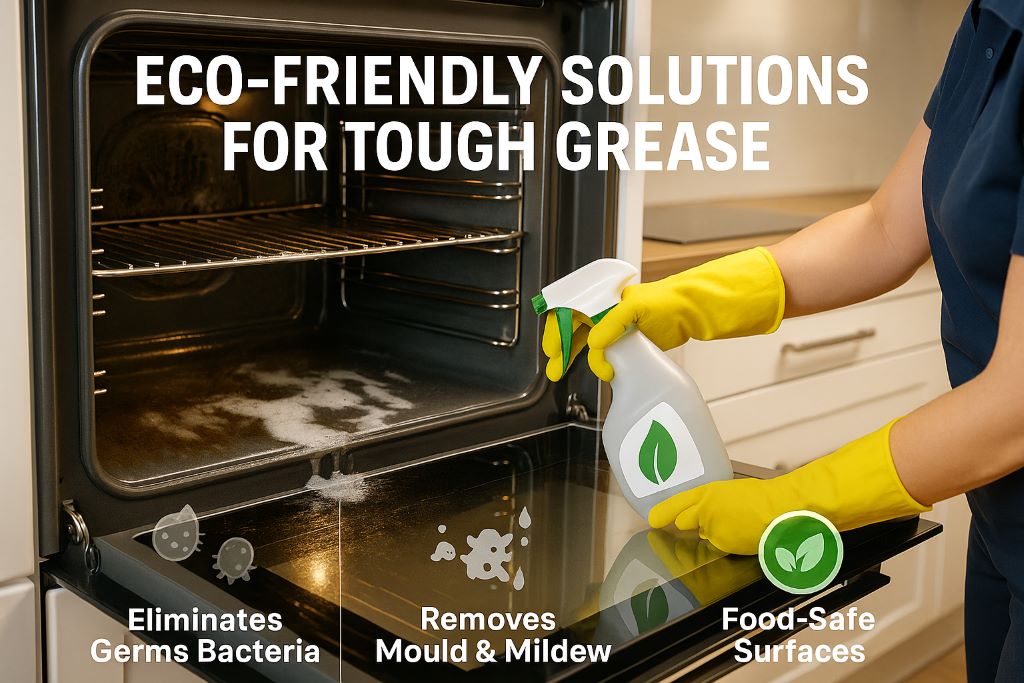
Soaking and scrubbing oven racks
The team will place the oven racks and tracks separately in strong degreasers to dissolve the deposited grease. Using scouring tools, they will scrub the racks and tracks.
The blade and scraper method
The cleaners will use a scraper fitted with a blade and chemical cleaners to lift burnt carbon deposits and thick grease layers without scratching the surfaces. This is how they break down even the most difficult grime.
Detailed cleaning of interior components
Every part of the oven, including glass doors and hidden corners, will be thoroughly cleaned. The cleaners will use steam cleaners or high-pressure washers to remove loosened dirt.
Final wiping and polishing
After removing the grease, the cleaners will thoroughly wipe and remove any chemical residue. They will polish everything until they achieve a sparkling finish.
Ventilation and safety checks
During the cleaning process, the kitchen will be efficiently ventilated. The cleaning ends with a final inspection, when the team leader ensures no more residues and the oven is spotless and ready to use.
- 68% of Brits haven’t deep-cleaned their oven in over a year
- 82% have never thoroughly cleaned their microwave—a telling insight into general kitchen neglect.
Why is fridge and freezer deep sanitisation so crucial?
Deep sanitisation of refrigerators and freezers is vital because it maintains food safety, prevents contamination, and extends appliances’ lifespan and efficiency.
Prevents bacterial growth and cross-contamination
Just because the temperatures are cold, it doesn’t mean that bacteria and germs cannot survive and spread. Deep sanitation of fridges and freezers will eliminate bacteria, viruses, and mould that can cause foodborne illnesses and cross-contaminate foods.
Eliminates odours and residue
Food spills, crumbs, and leaks accumulate over time, causing unpleasant smells and breeding grounds for microbes. Deep cleaning eliminates these odours and residues for a fresher, healthier environment.
Improves food freshness and safety
Deep cleaning shelves, drawers, and seals ensures that foods are stored hygienically, lowering the risk of spoilage.
improves appliance efficiency and durability
Dirt and grime can affect the refrigerator’s working parts, including condenser coils. A deep clean maintains appliances' performance and energy efficiency, decreases energy bills, and extends appliances' lifespan.
Reduces use of harsh chemicals
Professionals employ advanced sanitation methods, such as UV-C light treatment and can turn to chemical-free disinfection that is safe for food contact surfaces and the living environment.
What’s involved in professional dishwasher cleaning and maintenance?
Professional dishwasher cleaning and maintenance involves removing limescale, grease, and food residue from filters, spray arms, seals, and internal surfaces. The cleaning will restore efficiency, eliminate odours, and ensure optimal performance. Here’s how the pros will do it:
Drain and remove debris
The cleaners drain and dishwasher and remove any visible food particles and debris from the interior, including the filter and screens.
Remove and clean components.
The team will remove wash arms, rinse arms, and filter screens. Using warm, soapy water, they will clean them separately. If there’s mineral buildup, they will first soak them in a descaling solution.
Scrub interior surfaces
The cleaners will scrub the interior walls, door, rubber gaskets, and corners to remove grime and bacteria using a soft brush and the proper cleaning solution. They will insist on hard-to-reach areas where dirt tends to collect.
Run a hygiene cycle
The team will use a manufacturer-approved cleaner or sanitiser and run the dishwasher empty on the hottest setting. This way, they will disinfect, eliminate odours, and remove limescale.
Exterior cleaning
The team will wipe down the outside surfaces using a damp cloth, including control panels and door seals.
Regular maintenance
As part of daily cleaning, remove food debris and wipe surfaces. Every month, examine and clean filters, arms, and gaskets. Here are some extra tips:
- Avoid foaming problems by not using soap-based cleaners in the machine interior
- Ensure air-drying and prevent mould growth by leaving the dishwasher door open after cleaning
- Keep your dishwasher in top condition by regularly servicing and inspecting it.
How do experts remove stains and odours from microwaves?
Experts remove stains and odours from microwaves using steam cleaning, food-safe degreasers, and deodorising treatments that lift burnt-on residue and neutralise lingering odours. The process takes place like this:
Steam loosening
The cleaners heat a microwave-safe bowl filled with water and natural agents like vinegar, lemon juice, or baking soda inside the microwave. The steam will soften dried food splatters and grease and loosen difficult stains.
Careful wiping
After steaming, the technicians use a soft cloth or a sponge dipped in mild dish soap with water and wipe the microwave interior, including walls and ceiling. They will remove softened residues without scratching the surface.
Odour elimination
During the steam phase, the team may eliminate the unpleasant smells with natural deodorisers like lemon or vinegar. If the odours are strong, they may turn to specialised sanitising agents that are safe for food contact surfaces.
Rinsing and drying
The professionals will wipe down the microwave again with clean water to remove all cleaning agents. They will dry it thoroughly to avoid moisture build-up and mould growth.
Cleaning removable parts
The technicians will remove and soak/wash turntables and trays separately. This way, they eliminate all grime and residue.
Exterior cleaning
Using mild cleaners and wipes, the professionals will also clean the outside of the microwave, including control panels and handles.
Why should you get your extractor fan and hood professionally degreased?
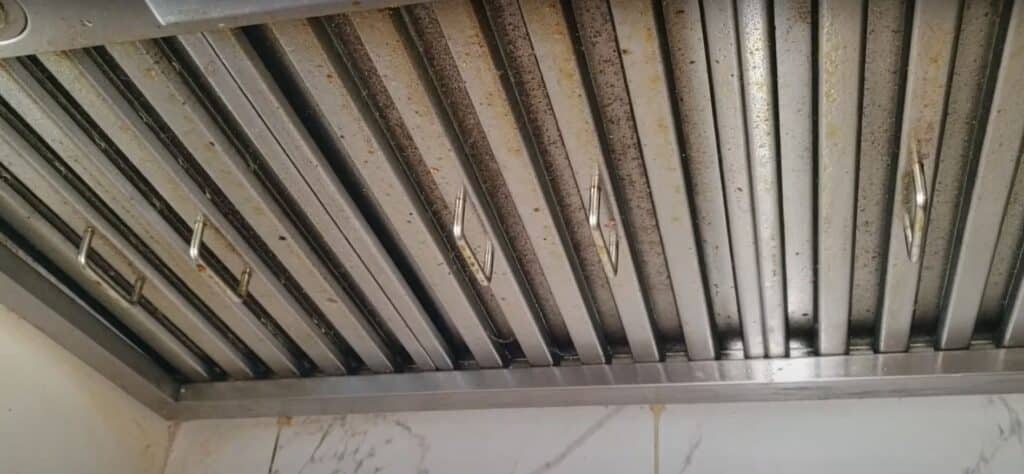
You should get your extractor fan and hood professionally degreased to eliminate built-up grease that decreases efficiency, causes fire hazards, and circulates unpleasant odours back into your kitchen.
Fire hazard reduction
Grease is highly flammable and will increase the risk of kitchen fires when building up in extractor fans, hoods, and ducts. Professional degreasing will eliminate the grease layers and lower the fire risk.
Improved air quality
Over time, grease, dust, and debris accumulate, blocking ventilation systems and air circulation. Professionals will remove smoke, steam, cooking odours, and airborne contaminants, enhancing the kitchen’s air quality and comfort.
Compliance with health & safety regulations
Regular professional cleaning helps meet regulatory hygiene and safety standards required for kitchens, turning it into a compliant, safe cooking environment.
Preserves equipment lifespan
Grease build-up can damage extractor fan motors, filters, and ductwork, leading to expensive repair work or even premature replacements. A professional degreasing will extend the equipment’s durability by preventing gime-caused wear and tear.
Improve kitchen efficiency
A clean extractor fan operates more efficiently and keeps the kitchen environment healthy and comfortable, eliminating heat and odours.
Odour control
When trapped particles and grease are eliminated, foul cooking odours are also removed. The risk of bacteria spreading also decreases.
- Only 18% of UK households clean their fridge twice a year, while 16% clean it only when it’s visibly dirty—even though experts recommend cleaning after every big shop.
- Alarmingly, 30% of Brits discover mouldy food in their fridges a few times a month, and 8% see it multiple times weekly.
What surfaces and storage areas need the most attention?
Kitchen cabinets, worktops, sinks, taps, backsplashes, and tile grout are the surfaces and storage areas that need the most attention.
How do pros clean cupboards and kitchen cabinets inside and out?
Professionals meticulously clean kitchen cupboards and cabinets to leave interiors and exteriors impeccably clean. Here are the steps they follow:
- Preparation and emptying
The cleaners empty cabinets to access surfaces, compartments, and shelves. They will sort out and throw away all expired and unwanted items.
- Dusting and debris removal
The technicians will remove loose dust, crumbs, and debris inside cabinets and on shelves using soft cloths or vacuums with soft brushes.
- Cleaning exterior surfaces
A mild cleaning solution—typically some warm water and a gentle dish soap or diluted white vinegar—is used to wipe all cabinet doors, handles, trims, and frames. The pros will insist on greasy spots around stoves. In case of difficult grease or grime, the technicians will use commercial-grade degreasers or solutions specially formulated for wood or laminate. The cleaners will use soft or toothbrushes to remove grime build-up in small crevices, around knows, and detailed moulding.
- Cleaning interior surfaces
The professionals use a cleaner safe for the cabinet material (wood, laminate, painted surfaces) to wipe down shelves, backs of doors, and interior walls. They will treat stains with diluted mild detergents and soft cloths or sponges.
- Rinsing and drying
The cleaners use damp cloths to wipe down surfaces, eliminate cleaning residues, and avoid streaks or soap build-up. They will immediately dry the surfaces with soft, dry cloths that don’t damage the finishes.
- Polishing and finishing touches
In the case of wood cabinets, the cleaners polish them gently or apply conditioning treatments to restore shine and nourish the wood. Hardware and handles will also be polished for a shiny finish.
Can worktops be restored to look like new after deep cleaning?
Professional deep cleaning can make kitchen worktops look new, especially when combined with expert restoration techniques. Here’s how professionals will tackle it:
Use material-specific techniques
Various surfaces--wood, laminate, granite, quartz, or marble—— require specific restoration methods. For example, wooden worktops need sanding, filling, and re-oiling, whereas laminate ones require buffing and polishing. Specialised polishing and sealing will be needed for stone worktops.
Repair imperfections
The technicians use matching fillers or epoxy resins that seamlessly fill chips, scratches, heat marks, and stains. Professionals will achieve a uniform appearance by sanding and smoothing the repaired areas.
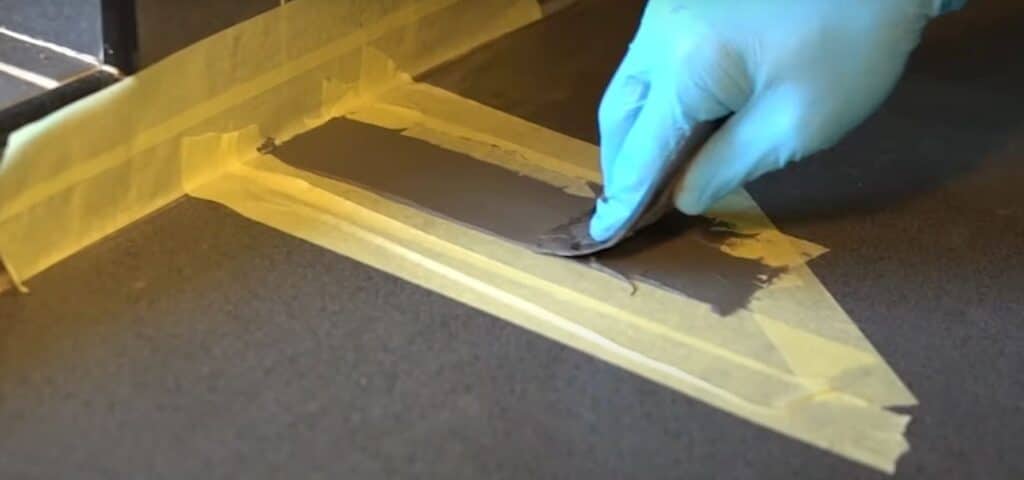
Refinish surfaces
Technicians sand down the wood surfaces to eliminate scratches and dull layers. Afterwards, they reseal or oil to protect the wood and restore its shine. The pros revive the sheen of laminate worktops by polishing them and using abrasives to polish stone surfaces. The pros will also seal the latter for durable results.
Remove stains and damage.
Deep cleaning eliminates grime and dirt buildup; technicians will also address heat and water damage. For example, they will dry our waterlogged wood or lift heat stains with specific methods.
Apply a protective finish.
After repairs and cleaning, the technicians will seal/polish the worktops to extend the durability and preserve the fresh finish.
How do professionals restore tile grout and backsplash to their original condition?
Professional restore tile grout and backsplash through a multi-step process that will clean, repair, and protect the surfaces. The steps are:
- Initial inspection and cleaning
Professionals will assess the grout and tile to select an adequate treatment. They will use specialised grout cleaners and high-temperature steam or water extraction to remove deeply set dirt, mould, mildew, and stains.
- Repair grout
The technicians will remove and replace any cracked, missed, or damaged grout with new grout. They will also do minor tile repairs to fix chips or cracks.
- Seal colour and apply grout colourant
Professionals apply grout colourants to restore or enhance the grout colour, achieving a uniform, refreshed look. They will protect against future staining, moisture penetration, and wear by applying a grout sealer. This will extend the grout’s lifespan and maintain its looks.
- Final inspection and maintenance advice
The team leader will inspect the work and ensure all grout lines and tiles are perfectly sealed. Clients will receive recommendations about the cleaning products and methods to maintain the grout and tile’s appearance.
What’s the best way to deep clean and descale sinks and taps?
The best way to deep clean and descale sinks and taps is to remove grime, grease, mineral deposits, and limescale while protecting the surfaces. Here’s how professionals do it:
Preliminary rinsing and debris removal
The team thoroughly rinses the sink with hot water to loosen dirt and food residues. Afterwards, they wipe away loose debris.
Application of cleaning agents
The cleaners apply a mild, pH-neutral, eco-friendly multi-surface cleaner to the sink and taps. If the spots are difficult, they will address stains and grime with baking soda paste or vinegar solution. In case of metal taps and sinks, the pros will use gentle, non-abrasive cleaners that don’t damage the finishes.
Scrubbing and detailing
The cleaners will scrub surfaces and insist on corners, seams, and faucet bases using soft sponges and microfiber cloths. They will use toothbrushes and small brushes to clean around handles, aerators, and crevices. They will use baking soda with mild dish soap for difficult stains as a gentle abrasive.
Descaling and limescale removal
The professionals apply vinegar or citric acid-based solutions to areas with hard water deposits and limescale buildup. They will sit and soak for 10-15 minutes to loosen deposits. After removing aerators and faucet heads, the technicians will soak them overnight for deep descaling.
Rinsing and drying
After scrubbing and descaling, the cleaners rinse surfaces with clean water, dry taps and sinks with soft microfiber cloths to avoid water spots and achieve a sparkling finish.
Protective finishing
The professionals will apply protective wax or polish to metal taps. This also prevents tarnishing.
- Dishwashers are often the filthiest kitchen item, scoring 135/250 in bacterial tests—double the grime level of a kitchen bin.
- In one survey ranking the least-cleaned kitchen appliances, nearly 3 million Brits (5%) have never cleaned their toaster, and 2.6 million (4%) have never cleaned their dishwasher.
Which grease removal and sanitisation methods actually work?
The grease removal and sanitisation methods are professional-grade degreasers, steam or hot water extraction, and food-safe disinfectants that dissolve difficult buildup and clean surfaces.
What commercial-grade degreasing techniques do professionals use?
Professionals use advanced commercial-grade degreasing techniques to effectively remove heavy grease, oil, and contaminants from various surfaces. They employ:
Aqueous (water-based) degreasing
Professionals use water-based solutions containing detergents, surfactants, and emulsifiers that break down grease and oils into small particles. The method is environmentally friendly and safe, and it’s perfect when harsh chemicals cannot be used. The method typically uses high-pressure spraying, soaking, or automated cleaning systems for thorough coverage.
Solvent-based degreasing
The method uses organic solvents (like mineral spirits, alcohols) to dissolve and eliminate complex grease layers and oil that aqueous cleaners cannot remove efficiently. Since it ensures rapid action, the method is efficient for heavy-duty cleaning such as automotive, manufacturing, and commercial kitchen equipment. Due to its chemical strength, it needs careful handling for safety and the environment.
Manual and mechanical application
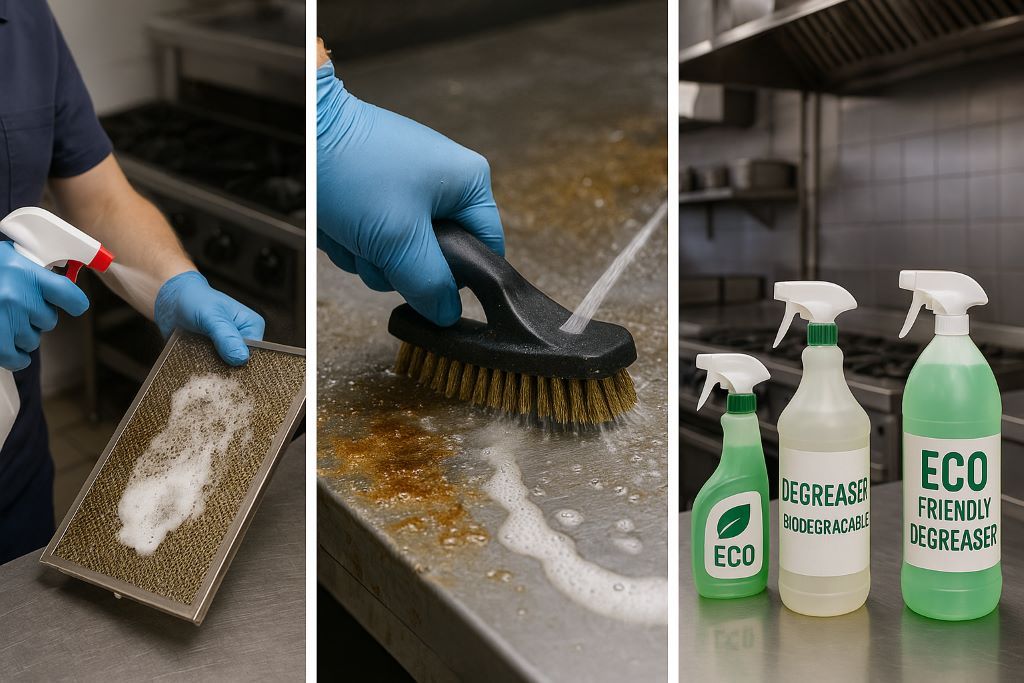
The cleaners employ sprays, wipes, or brushes to apply degreasers. Scrubbing or using power washers will improve efficiency. The technicians will thoroughly clean or soak parts in degreasing solutions.
Specialist degreasers
the professionals will use:
- Food-safe degreasers compliant with industry standards (e.g., NSF) for kitchens.
- For sensitive equipment, they will use electrical contact degreasers that are non-conductive and residue-free.
- To reduce environmental impact, the technicians will employ biodegradable and eco-friendly formulas.
Best practices
- To break down grease efficiently, solutions are diluted and allowed to dwell
- Degreasers are selected based on surface material to minimise damage
- To eliminate residues and all chemical remains, surfaces are thoroughly rinsed.
How are burnt-on stains and food residues eliminated?
Professionals eliminate burnt-on stains and food residues using a combination of chemical treatments, mechanical action, and sometimes heat. The process typically involves:
- Pre-treatment with baking soda and vinegar
Professionals make a paste of baking soda and water and apply it to the affected areas. The grease and burnt food will soften, and a foaming reaction will dissolve the grime after spraying vinegar over the paste. The mixture has to sit for 30 minutes before scrubbing it.
- Use of commercial oven and surface cleaners
The cleaners apply industrial-strength degreasers and oven cleaners to dissolve heavy grease deposits and burnt residues. These chemicals penetrate difficult deposits and ease the removal.
- Soaking removable parts
The cleaners will remove racks, trays, and removable parts and soak them separately in warm, soapy water or cleaning solutions
- Steam cleaning
The professionals employ steam that dissolves grease and carbonised food layers to loosen burnt residues. Afterwards, they will wipe it away.
- Mechanical scrubbing
Without damaging the surfaces, the cleaners will scrub and lift the loosened residues using brushes, non-abrasive sponges, or scrapers.
- Natural scrubbing agents
As they present abrasive and degreasing properties, lemon and salt scrubs can simultaneously lift difficult spots and refresh surfaces.
- Preventive measures
Regular maintenance prevents buildup. To avoid future intense scrubbing, you may apply oven liners or foil to collect spills.
How do cleaning experts ensure kitchens meet food safety standards?
Cleaning experts ensure kitchens meet food safety standards through meticulous cleaning protocols, adherence to legal regulations, and best hygiene practices.
Compliance with UK Food Safety Legislation
Kitchens must comply with laws such as The Food Safety Act 1990, The Food Hygiene Regulations 2013, and related EU regulations requiring hygienic premises and safe food handling. Professionals receive professional training and know about the regulations. They use methods that are in accordance with local authorities and the Food Standards Agency (FSA) requirements.
Thorough cleaning and sanitisation
Professional cleaning will remove dirt, grease, bacteria, and allergens from all kitchen surfaces, appliances, and equipment, including hard-to-reach areas. The experts use food-safe sanitising agents and approved cleaning chemicals to clean surfaces without causing chemical contamination.
Implementation of Hazard Analysis and Critical Control Points (HACCP)
Cleaning supports HACCP principles by addressing vital control points in the kitchen where contamination is likely, such as worktops, sinks, and cooking appliances. Regular deep cleaning and maintenance help control hazards and decrease microbial load to safe levels.
Pest control and waste management
Professional cleaning services follow pest prevention measures by removing food residues and ensuring correct waste storage and disposal.
Staff training and hygiene
While cleaning experts provide physical cleaning, food safety depends on kitchen staff training in hygiene practices, personal cleanliness, proper food storage, and temperature control.
Kitchen design and maintenance
Professionals will advise on kitchen layouts and facilities to ease hygienic working conditions, such as smooth, easy-to-clean surfaces, efficient ventilation, and enough handwashing stations.
Regular inspection and documentation
Experts will document cleaning schedules, methods, and results to sustain compliance for inspections by local authorities.
How should you approach deep cleaning kitchen floors?
You should approach deep cleaning kitchen floors by thoroughly scrubbing tiles, grout, and hard surfaces, including hidden areas beneath appliances.
What’s the best way to restore tile and grout floors?
The best way to restore tile and grout floors is through professional deep cleaning that combines high-pressure steam extraction with specialised grout-safe cleaning solutions. The cleaners will:
Inspect and prepare the surfaces
The cleaners will assess the condition of the tile and grout, detect stains, cracks, and areas needing repair. They will prepare the floor by vacuuming or sweeping loose dirt and debris.
Deep cleaning
The technicians apply specialised grout cleaners and eco-friendly solutions to loosen deeply set dirt, mould, and discolouration. They will employ mechanical scrubbing or machine-powered brushes to agitate the cleaning solutions to eliminate the problem without altering tiles and grout.
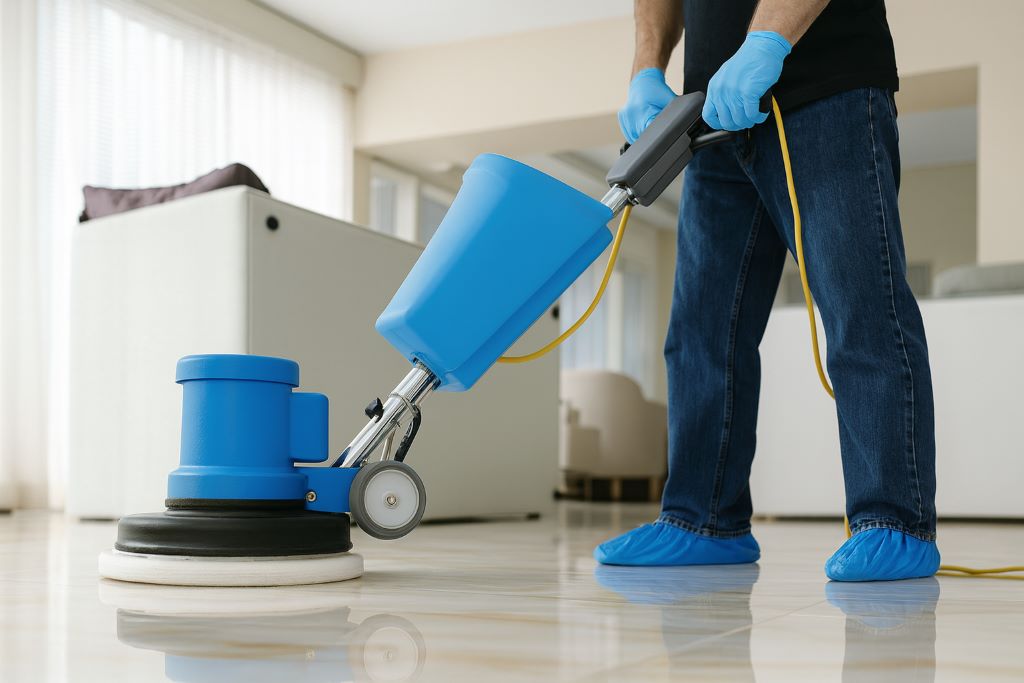
Grout repair and replacement
The professionals will replace cracked, chipped, or missing grout with new grout. This way, they restore the appearance and structural integrity of grout.
Grout colourant and sealer application
To refresh or change grout colour and enhance appearance, the technicians apply grout colourants. They apply a high-quality sealer to grout and tile surfaces to protect against moisture, stains, and wear.
Final inspection and maintenance advice
The team leader examines the final result to ensure all repairs and cleaning are as expected. Before they leave, professionals will advise on correct cleaning products and routines.
- Studies show that 32% of worktops test positive for coliform bacteria, making them more contaminated than bathroom taps.
- Over 16% of UK residents never clean their floors, while 17% admitted never cleaning hard floors.
How do professionals deep-clean various hard floor materials?
Professionals deep clean hard floor materials using specific techniques—such as steam cleaning, scrubbing, sealing, or polishing—based on the floor type.
Hardwood floors
The cleaners sweep/vacuum to remove debris and use a damp microfiber mop with a pH-balanced wood cleaner or a mild vinegar-water solution. Cleaners avoid harsh chemicals and steam mops for softer woods (cherry, walnut). Based on traffic and usage, hardwood floors require deep cleaning every 1-3 months.
Laminate floors
Using a gentle floor cleaner or a water-vinegar mix, without excess water, the cleaners will clean with a damp mop after sweeping/vacuuming.
Tile floors (ceramic, porcelain)
The cleaners will sweep/vacuum debris and mop it with warm water and a mild detergent or specialised tile cleaner. For grout, technicians use a grout-specific cleaner and steam cleaning/scrubbing to eliminate deeply set dirt and stains.
Stone floors (marble, limestone)
The professionals use pH-neutral, stone-safe cleaners and avoid abrasive and acidic products as they etch surfaces. The cleaners will regularly seal the stone surfaces to protect the stone from stains and moisture. For deep cleaning, they lightly scrub with soft brushes and rinse with distilled water to prevent mineral deposits.
Vinyl linoleum
The cleaners will sweep, vacuum, and mop the floors using warm water and a mild detergent. When deep cleaning, they turn to manufacturer-recommended cleaners and occasionally buff the floors to maintain shine.
Deep cleaning under appliances and in hidden kitchen areas is essential because these spots collect dust, grease, food debris, and germs that pose multiple risks and challenges.
Prevent pest infestation
Unseen food particles and grease appeal to pests like ants, cockroaches, and rodents. Deep cleaning eliminates these attractants and lowers the chance of infestations.
Fire hazard reduction
If left, grease and dust buildup under and behind appliances like ovens and stoves can pose a high fire risk.
Better appliance efficiency
Appliances work harder when dust and debris are on vents, refrigerator coils, and heating elements. The energy consumption increases, and the appliance lifespan shortens. Cleaning appliances will maintain their optimal performance.
Better air quality and hygiene
Collected dust and grime in hidden areas alter indoor air quality and aggravate allergies and respiratory problems.
Extend appliance lifespan
Components of appliances can overheat from collected dust and grime. Removing dust and grime will prevent premature wear and damage to appliances.
Maintain kitchen cleanliness
Hidden dirt alters the kitchen’s hygiene and appearance and affects the effectiveness of routine surface cleaning.
What kitchen cleaning challenges require expert help?
Kitchen cleaning challenges that require specialist intervention are post-renovation mess, difficult grease in extractor fans and ovens, ingrained mould or limescale, and end-of-tenancy demands.
How does post-renovation kitchen cleaning differ from regular cleaning?
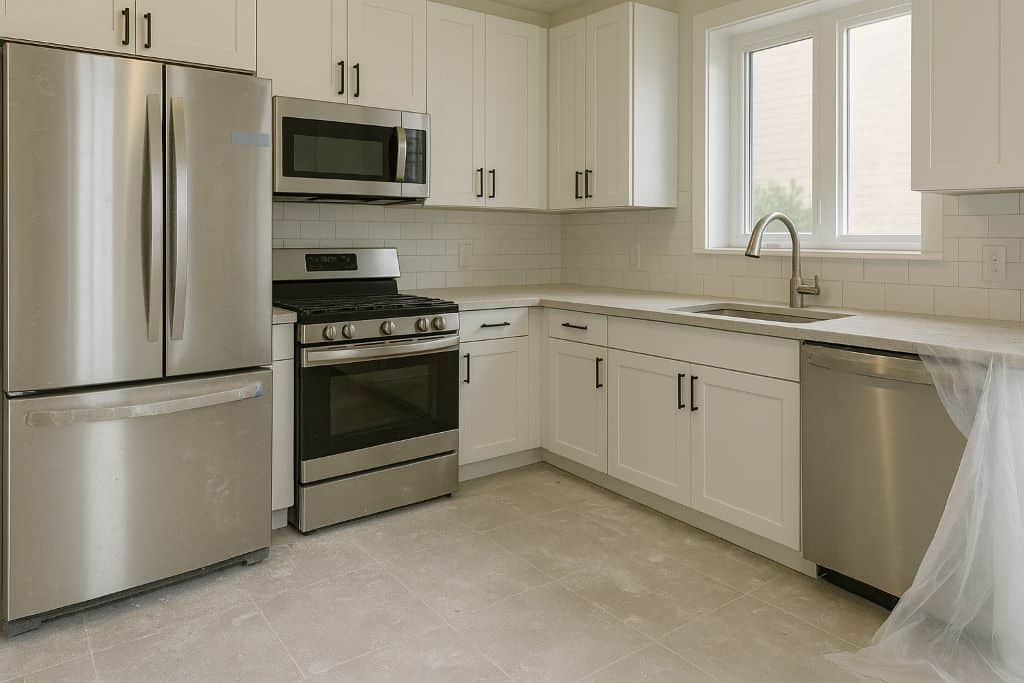
Post-renovation kitchen cleaning differs from regular cleaning because it involves specialised tasks that remove collected dust, debris, chemical residues, and construction residue from renovation work. Here’s how the cleaning takes place:
Removal of construction debris and dust
The technicians remove construction waste, dust, and leftover materials from ceilings, walls, cabinets, appliances, floors, and all surfaces.
Deep cleaning of all surfaces
Professionals thoroughly clean inside and outside cabinets, countertops, backsplashes, and appliances to eliminate dust, paint splatters, adhesives, and stains. They insist on spots where renovation residue tends to collect.
Detailed attention to fixtures and hard-to-reach areas
Using specialised tools and vacuums with HEPA filters, the technicians clean and polish sinks, taps, light fixtures, vents, baseboards, and windows.
Safety and air quality measures
The professionals clean air ducts and replace HVAC filters to eliminate harmful dust and VOCs (volatile organic compounds) from paint and construction materials.
Professionals employ specialised equipment, commercial-grade cleaning products, steam cleaners, and eco-friendly and non-toxic cleaning agents to achieve a thorough, safe clean.
Final inspection and touch-ups
The team leader conducts a comprehensive inspection to ensure all areas are spotless, sanitised, and ready for use.
Why is post-renovation cleaning important
Renovation dust contains fine particles that can trigger allergies and respiratory problems. Regular cleaning doesn’t remove chemical residues from paints, sealants, and adhesives are not removed by regular cleaning. A professional post-renovation cleaning will protect the kitchen and preserve the new fixtures and finishes, leaving the kitchen safe, hygienic, and ready to use.
What do landlords and letting agents expect for end-of-tenancy kitchen cleaning?
At the end of the tenancy, landlords and letting agents expect the kitchen to be left in the same condition as at the move-in, except for fair wear and tear. The main cleaning expectations are:
Deep cleaning of all surfaces
Countertops, backsplashes, cupboards (inside and out), drawers, and shelves are cleaned and left without grease, stains, dust, or food residue.
Appliance cleaning
Ovens, hobs, extractor fans, fridges, freezers, and dishwashers must be cleaned inside and out to remove all food debris, grease, and stains. Taps and sinks require descaling and polishing.
Floors and skirting boards
Floors must be cleaned, mopped, and free of dirt and grease. Areas beneath and behind appliances also have to be cleaned. Skirting boards have to be dusted and wiped.
Fixtures and details
Light switches, plug sockets, handles, and other high-touch points must be hygienic and spotless.
Bins and waste disposal
to avoid odours and contamination, rubbish bins have to be emptied and cleaned.
Overall hygiene and presentation
The kitchen must be immaculate, fresh-smelling, without any visible dirt, and ready for use by the new occupants.
Can commercial kitchen standards be applied to home kitchens?
Yes, commercial kitchen standards can be applied to home kitchens, but they often exceed standard domestic requirements and may need adjustments.
Differences between commercial and home kitchens
Purpose and scale
While commercial kitchens serve large volumes and require professional-grade equipment, home kitchens serve fewer people, need smaller appliances, and focus on visual appeal.
Equipment
Commercial kitchens use industrial-grade appliances made from stainless steel that operate at higher temperatures and capacities. That’s not the case with the domestic-grade appliances used in home kitchens—made with various materials and finishes.
Regulations
Commercial kitchens must comply with strict health, safety, and sanitation regulations to prevent food contamination and ensure public health. Home kitchens comply with basic building codes but not with stringent commercial health regulations.
Sanitation standards
Higher-temperature sterilisation (e.g., dishwashers at 80-85°C), strict cross-contamination control, and food-safe materials are mandated in a commercial kitchen. Standard cleaning and general food safety best practices are available for home kitchens.
- A survey by Magnet revealed that 25% of respondents admitted to not wiping down worktops after use, and leaving dirty dishes piled up in the kitchen was named as the most irritating habit.
- According to a YouGov survey, only 36% of UK adults always wash their hands before meals, with nearly a quarter (24%) saying they only sometimes do.
Applying commercial standards in homes
Hygiene practices
To improve home kitchen safety, practices like correct handwashing, careful cross-contamination prevention, and regular sanitising of surfaces can be employed.
Material choices
Stainless steel and quartz on kitchen worktops and backsplashes are easy to clean, and non-porous materials can be used to maintain hygiene.
Equipment
People can use appliances that reach higher cooking and washing temperatures, which improve food safety. However, this can be expensive and not practical for smaller households.
Cleaning routines
Deep cleaning rules and comprehensive appliance maintenance can be employed in home kitchens to extend appliance durability and enhance kitchen cleanliness.
How do you keep the kitchen clean after a professional deep clean?
After a professional deep clean, you can preserve the results by daily wiping down surfaces, cleaning spills, maintaining appliances, ventilating to reduce moisture, and running regular mini-cleans so that grease, limescale, and bacteria don’t build up again.
What daily habits preserve the results of a deep clean?
Daily habits like wiping surfaces, ventilating rooms, removing clutter, and promptly managing spills will preserve the results of a deep clean.
Regularly remove clutter
Remove unnecessary items from countertops—a clutter-free space is easier to clean.
Wipe down surfaces after use.
Using an all-purpose cleaner/mild detergent, wipe counters, stovetops, and appliance handles after meal preparation so that grease and spills don’t settle.
Clean the sink daily.
To avoid food residue and odours building up, scrub the sink with a mild cleanser or baking soda after each use.
Load and empty the dishwasher daily
Avoid piles of dirty dishes by regularly running and emptying the dishwasher.
Sweep or spot mop the floor.
Daily sweep to eliminate crumbs and dirt that cause grime and attract pests. Always mop spills the moment they happen.
Take out the trash regularly.
Prevent odours and pest infestation by emptying trash bins before they overflow.
Daily tidy-up ritual
Before bedtime, put away items to wake up to a clutter-free, fresh kitchen.
Sanitise high-touch areas
Regularly wipe down cabinet handles, light switches, and faucets to reduce germs and maintain hygiene.
Weekly and monthly deep touches
Maintain deep clean results by wiping surfaces, ventilating rooms, tidying clutter, and promptly addressing spills. You should clean appliances every week, declutter the fridge, and wipe cabinets. Monthly, you should clean behind appliances.
How often should you book a deep clean in a professional kitchen?
You should book a professional kitchen deep clean every 6 to 12 months, depending on the required cooking frequency and hygiene standards. As a reference:
- Heavy use (12-16 hours/day): Every 3 months
- Medium use (6-12 hours/day): Every 6 months
- Light use (2-6 hours/day): Annually, or every 12 months
Additionally:
- Extraction systems like canopy filters and ductwork need cleaning every 3-6 months, especially in busy kitchens.
- Ovens and grills should be deep cleaned at least once a month.
- Fridges and freezers should be deep-cleaned and defrosted every 3 months.
- Floors and walls need deep cleaning at least twice yearly to remove embedded dirt and grease.
A final word
An immaculate kitchen isn’t just about appearance but health, safety, and peace of mind. Professional deep cleaning will eliminate all the grease, grime, and bacteria that regular cleaning leaves behind, leaving every surface, appliance, and unseen corner cleaner than ever. Whether dealing with end-of-tenancy requirements, managing renovation dust, or simply wanting a fresher, safer space for your family, professional cleaners deliver lasting results. With adequate maintenance, you can keep your kitchen looking—and feeling—like new. A shiny surface isn’t enough—spend extra for a professional deep clean to enjoy a hygienic, germ-free kitchen.
FAQs
How much does professional kitchen deep cleaning cost, and is it worth the investment?
Professional deep cleaning typically costs £150-400, depending on kitchen size and condition. It’s well spent because it protects your family’s health, extends appliance lifespan, and ensures food safety compliance. If you’re a tenant, it helps you secure your deposit refund.
Can I deep clean my kitchen, or do I need professionals?
Yes, but we don’t recommend it. A deep clean requires knowing how to safely dismantle the appliances, use commercial-grade degreasers, remove embedded grease from extractor fans, and handle post-renovation debris. Professional cleaners employ commercial-grade equipment that off-the-shelf tools and products cannot deliver.
What's included in a professional kitchen deep clean that I can't do myself?
Professional kitchen deep clean includes dismantling and degreasing oven components, descaling dishwasher internals, cleaning behind appliances, restoring tile grout with sealers, sanitising to food safety standards, removing construction dust with HEPA filtration, and applying protective finishes to worktops. Professional cleaners will also tackle areas requiring specialised access or safety equipment.
Will professional cleaning damage my kitchen surfaces or appliances?
No! Professional cleaners use material-specific techniques and products - pH-neutral cleaners for stone, gentle treatments for wood, and food-safe degreasers. They know how to clean and protect delicate finishes at the same time.
What kitchen cleaning challenges require professional intervention?
Call professionals for post-renovation dust removal, ingrained grease in extractor systems, persistent mould or limescale, end-of-tenancy cleaning requirements, appliances requiring dismantling, fire hazard grease buildup, and when facing lingering odours that DIY methods cannot eliminate.
RESOURCES
- https://www.goochgroup.co.uk/our-blog/commercial-kitchen-deep-cleaning/
- https://cleanmama.com/the-ultimate-kitchen-cleaning-routine-quick-and-effective/
- https://pinkshoecleaningcrew.com/maintain-a-clean-kitchen-all-week/
- https://www.mystatemls.com/blog/client_resources/major-differences-between-home-and-commercial-kitchens.html
- https://www.bondcleaninginmelbourne.com.au/post-renovation-cleaning-checklist/
- https://nwmaids.com/the-complete-guide-to-cleaning-after-renovations/
- https://maintainiq.com/7-overlooked-areas-in-your-kitchen-that-need-deep-cleaning/
- https://www.thacleaning.com/appliances-cleaning-dust-grime-solutions/
- https://www.hemingwayfloorcleaning.com/how-does-grout-restoration-work
- https://thegroutspecialist.com/choosing-the-right-products-and-techniques-for-effective-grout-restoration/